


In 2026, the iPhone 12 mini is the better long-term buy. It still receives Apple's latest software, iOS 26, while the iPhone 8 is stuck on iOS 16 and can no longer update. For roughly $50 more refurbished, the 12 mini adds 5G, a dual camera, an OLED screen, and years of extra support. The iPhone 8 still works for calls, texts, and light apps, but its software runway has ended. Here is the full comparison.
Quick answer for 2026, at a glance:
- Buy the iPhone 12 mini if you want a phone that keeps getting iOS updates, 5G, an OLED display, and a real second (ultrawide) camera. It runs iOS 26 today and costs around $150 refurbished.
- Buy the iPhone 8 only if you want the absolute cheapest working iPhone (around $90 to $110 refurbished) for basic calls, messaging, and a few apps, and you accept that it stopped at iOS 16.
- Bottom line: the small price gap buys you years of extra software support, so the 12 mini is worth it for almost everyone. Compare live refurbished prices below.
The iPhone 12 mini offers a world of difference over the iPhone 8 in design, camera, connectivity, and software support. Boasting three years of hardware improvements and a far longer update window, it is an excellent small form factor phone you can still buy today. But is the extra price worth it for your use case? Keep reading.
In this guide: why upgrade, software support, the specs table, the differences (display, design, performance, camera, battery, connectivity), the verdict, and the FAQ.
Why should you upgrade to the iPhone 12 mini?
- 5G connectivity. The benefit of having 5G connectivity in the iPhone 12 mini is that it allows faster internet speeds, lower latency, and better power management compared to 4G. 5G also provides more reliable connectivity, with wider coverage and fewer dropouts.
- Dual camera. The double camera feature of the iPhone 12 mini allows for more versatility in photography and videography, and you can capture more detail and depth in your shots.
- A much better display. The Super Retina XDR OLED display has a larger size of 5.4 inches compared to the iPhone 8’s 4.7 inches, allowing for a bigger screen and more viewing space with higher quality.
- Thinner bezels. The iPhone 12 mini has a larger screen size than the iPhone 8 but also enjoys an 85.1% screen-to-body ratio, providing more screen real estate.
- A much better performance. The iPhone 12 mini offers a significant improvement in performance over the iPhone 8. It has a more powerful A14 Bionic chip, allowing faster processing speeds, improved graphics performance, and better battery life.
- Better battery life. The iPhone 12 mini has up to 17 hours of video playback compared to the 13 hours of the iPhone 8.
- IP68 waterproof rating. The iPhone 12 mini is dustproof and can withstand full immersion in water up to a depth of 6 meters for 30 minutes.
- It’s lighter. Although you may not notice, the iPhone 12 mini is lighter than the iPhone 8, so it would be more comfortable to carry around with you.
- It still gets the latest iOS. The iPhone 12 mini runs iOS 26, Apple's current release, so it stays compatible with the newest apps and security updates. The iPhone 8 stopped at iOS 16 and can no longer update, which is the single biggest reason to choose the 12 mini in 2026.
Software support: the deciding factor in 2026
The most important difference in 2026 is software support. The iPhone 12 mini still runs iOS 26, Apple's latest version, while the iPhone 8 is stuck on iOS 16 and cannot install anything newer.
Apple's iPhone 8 (A11 Bionic) shipped its last major update with iOS 16 and was left behind starting with iOS 17. The iPhone 12 mini (A14 Bionic) instead received iOS 17, iOS 18, and iOS 26, the release where Apple switched to year-based version numbers (jumping from iOS 18 straight to iOS 26).
In practice that means the 12 mini keeps getting security patches, new features, and app compatibility, while the iPhone 8 will increasingly see apps drop support. If you plan to keep the phone for more than a year, the 12 mini is the safer buy.
iPhone 8 vs. iPhone 12 mini: Specs comparison table
| Features | iPhone 8 | iPhone 12 mini |
|---|---|---|
| Release date | 2017 | 2020 |
| Dimensions | 5.45 x 2.65 x 0.29 in 138.4 x 67.3 x 7.3 mm | 5.18 x 2.53 x 0.29 in 131.5 x 64.2 x 7.4 mm |
| Weight | 5.22 oz 148 grams | 4.76 oz 135 grams |
| Display | Retina IPS LCD | Super Retina XDR OLED |
| Resolution | 750 x 1334 pixels at 326 PPI density (16:9 ratio) | 1080 x 2340 pixels at 476 PPI density (19.5:9 ratio) |
| Colors | Black Silver Space grey Gold | Black White (PRODUCT)RED Green Blue Purple |
| CPU | Apple A11 Bionic Hexa-core (2x Monsoon + 4x Mistral) | Apple A14 Bionic Hexa-core (2×3.1 GHz Firestorm + 4×1.8 GHz Icestorm) |
| Memory | 64GB with 2GB RAM 128GB with 2GB RAM 256GB with 2GB RAM | 64GB with 4GB RAM 128GB with 4GB RAM 256GB with 4GB RAM |
| Rear camera | Wide: 12 MP, f/1.8, 28mm, PDAF, OIS | Wide: 12 MP, f/1.6, 26mm, dual pixel PDAF, OIS Ultrawide: 12 MP, f/2.4, 13mm, 120º, 1/3.6″ |
| Front camera | 7 MP, f/2.2 | Wide: 12 MP, f/2.2, 23mm (wide), 1/3.6″ |
| Video recording | 1080p at 30fps | 4K at 24/30/60 FPS 1080p at 30/60/120 FPS, gyro-EIS |
| 5G connectivity | No | Yes |
| Water and dust resistance | IP67 dust and water-resistant | IP68 dust and water-resistant (up to 6 meters for 30 min) |
| Battery capacity | 1821 mAh | 2227 mAh |
| Battery life | Up to 13 hours of video playback | Up to 17 hours of video playback |
| Max OS compatibility | iOS 16 (no longer updated) | iOS 26 (current) |
| Original price | $699 | $729 |
| Price (refurbished) | Starting at | Starting at |
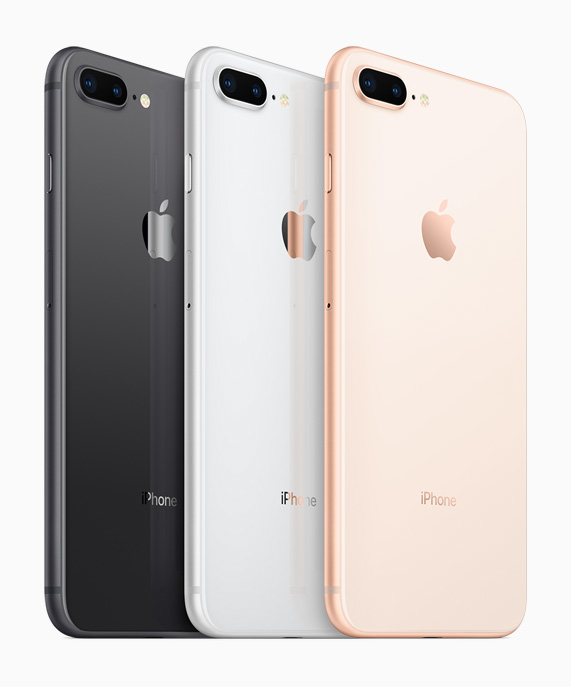
iPhone 8 glass design Image credit: Apple
iPhone 8 vs. iPhone 12 mini: What are the differences?
Let’s further compare the most important differences between the iPhone 12 mini and the iPhone 8 to make your choice easier.
Display
The iPhone 8 has a Retina IPS LCD, while the iPhone 12 mini features a Super Retina XDR OLED display. OLED displays are thinner, brighter, and more energy efficient than IPS LCDs, providing more vibrant colors and increased contrast. The OLED display of the iPhone 12 mini also has a higher resolution and more pixels.
Design
The design of the iPhone 12 takes us back to the iPhone 5. This modern and elegant design is one of the most prominent since the release of the iPhone X. It has thinner bezels and an 85.1% screen-to-body ratio compared to the iPhone 8′ 65.4%, which provides much more screen space to enjoy your smartphone. At the same time, the iPhone 12 mini is smaller and lighter than the iPhone 8, so using it with one hand and carrying it around is more comfortable.
Performance
The iPhone 12 mini has a higher performance than the iPhone 8. All the iPhone 12 models have the same A14 Bionic processor, which is still a beast, while the iPhone 8 starts to lag behind with the A11 chip. However, for everyday usage, the iPhone 8 is still more than enough.
Camera
The iPhone 8 has a single rear camera setup with a 12 MP resolution and f/1.8 aperture. In terms of the front camera, the iPhone 12 mini has a 12 MP f/2.2 wide-angle camera, while the front camera of the iPhone 8 offers only 7MP with f/2.2.
The iPhone 12 mini is equipped with a dual-camera system, consisting of a 12 MP f/1.6 (up to 5x digital zoom and 2x optical zoom), wide-angle front camera, and a 12 MP f/2.4, ultrawide angle camera.
In addition, both the iPhone 8 and the iPhone 12 mini are capable of recording videos in 4K at 24, 30, and 60 FPS and 1920×1080 at 30, 60, 120, and 240 FPS. However, only the 12 offers HDR.
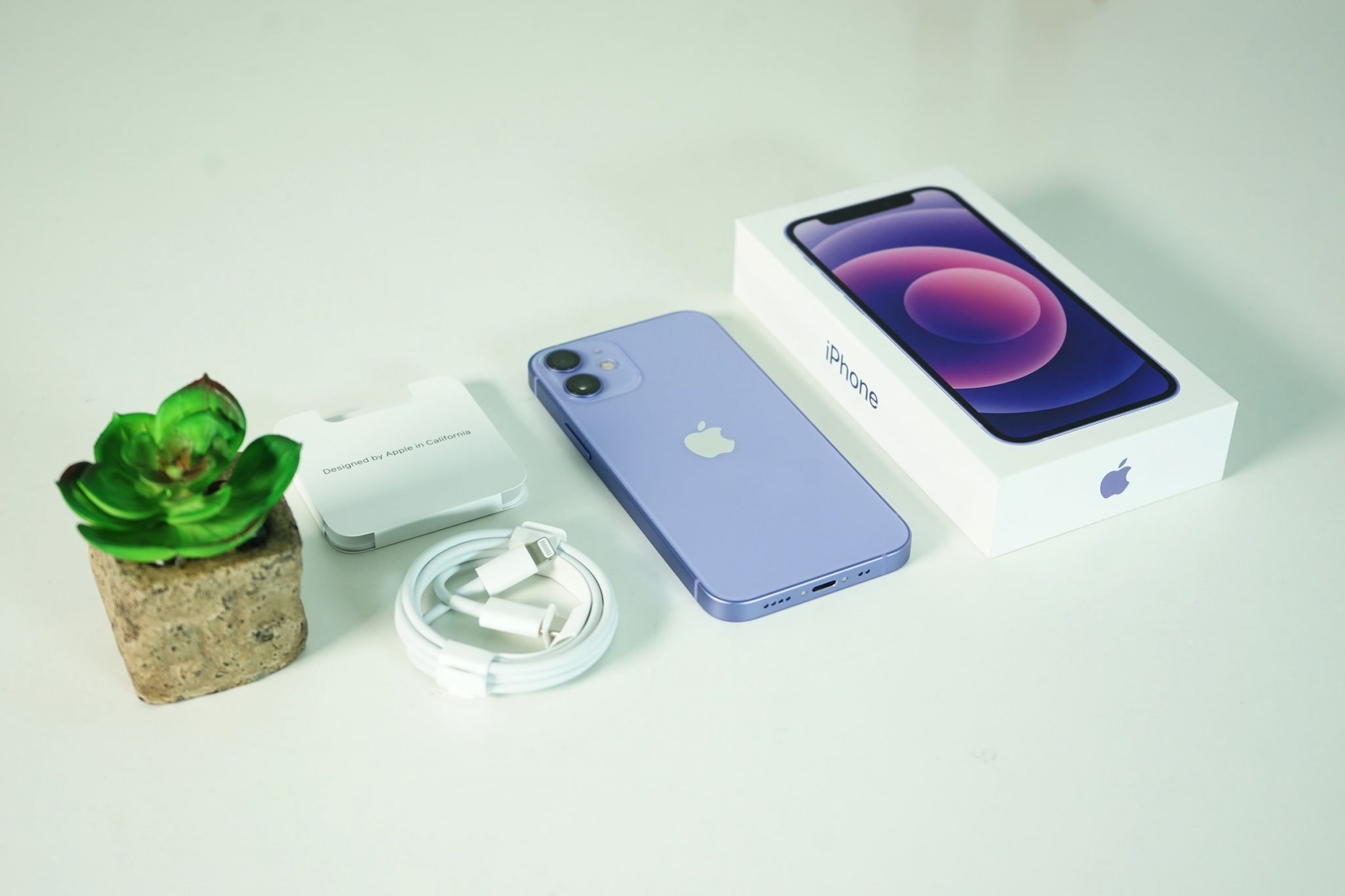
iPhone 12 mini
Battery, charging, and connectivity
Both phones feature a non-removable Li-ion battery with a capacity of 1821 mAh for the iPhone 8 and 2227 mAh for the iPhone 12 mini. Both also feature fast charging and wireless charging. To illustrate their battery capacity, the iPhone 12 mini offers up to 17 hours of video playback, while the 8 only delivers up to 13 hours. Even if these calculations are always estimates, there’s a huge difference here.
On connectivity, the iPhone 12 mini has an updated WiFi 6 version, and both phones have Bluetooth 5.0. The big difference comes down to 5G: only the iPhone 12 mini offers 5G, a vital advantage if you want to use a high-speed network for years to come.
Conclusion
In 2026, the iPhone 12 mini is the better buy for almost everyone. It has 5G, thinner bezels, more screen real estate, a dual camera, a much better OLED display and performance, and, most importantly, it still runs iOS 26 while the iPhone 8 is stuck on iOS 16. For roughly $50 more refurbished, you get years of extra software support. The iPhone 8 only makes sense if you want the cheapest possible working iPhone for basic everyday tasks and you accept that it no longer receives updates.
👉 Learn more: iPhone 8 Plus vs. iPhone 12: How Do They Compare?
Both phones are now discontinued by Apple, so buying refurbished is the best way to find one and save in the process. On RefurbMe, we compare the best refurbished Apple deals from trusted merchants so you get the lowest price with a warranty, thoroughly tested and working like new. Back Market usually carries the widest refurbished iPhone 12 mini stock at the best prices, and Gazelle is a strong US alternative if you want a specific condition or color. Compare all live offers below:
👇 Learn more:
If you have decided on the iPhone 8, you can compare all models here:
Don’t hesitate to check our list of the best iPhone accessories to enhance your experience even more.
FAQ
Good luck!
Last updated: Jun 12, 2026 · First published: Sep 22, 2023