


A cell phone lasts between 2 and 5 years for most people. The exact number depends on the brand, your usage habits, and how well the manufacturer supports the device with software updates. In the United States, the average replacement cycle sits at just over two and a half years, according to Statista, and other 2026 estimates put the U.S. upgrade cycle as high as 3.8 years. iPhone owners tend to hold onto their devices longer than Android users.
That cycle keeps stretching. Longer software support and tougher hardware mean most phones outlive the moment their owner decides to upgrade. Below we cover how long iPhones and Android phones last by brand, the four factors that cut lifespan short, and what you can do to get more years out of the phone in your pocket.
Quick answer
Most cell phones last 2 to 5 years. In the U.S., people replace their phone every 2.5 to 3.8 years on average, often while it still works. Current iPhones get 5 to 7 years of software support, and flagship Samsung Galaxy and Google Pixel phones now get 7 years. Battery wear, dropped security updates, and cracked screens are the usual reasons a phone gets retired early.
Table of contents
- What is the smartphone replacement cycle?
- How long does an iPhone last?
- How long does an Android phone last?
- Smartphone lifespan by brand
- 4 factors that affect the lifespan of your smartphone
- 10 signs your phone is dying or needs an upgrade
- Buying refurbished smartphones reduces the replacement cycle
- FAQ
What is the smartphone replacement cycle?
The smartphone replacement cycle in the United States estimates that consumers replace their phones on average every two to three years, with some 2026 market data pushing that figure toward 3.8 years.
So if you buy a phone in 2026, you may comfortably use it until 2029 or 2030 without major issues, assuming normal wear and that the manufacturer keeps pushing security updates. Usage habits and device quality play an equally large role: a phone dropped frequently or charged carelessly will degrade noticeably faster.
Here are the figures that define the 2026 replacement cycle at a glance:
| Metric | 2026 figure |
|---|---|
| Average U.S. replacement cycle | 2.5 to 3.8 years |
| Typical hardware lifespan with care | 4 to 5 years |
| iPhone software support | 5 to 7 years |
| Flagship Samsung and Pixel support | 7 years |
| CO2 saved by keeping a phone one extra year | About one third of lifetime emissions |
How long does an iPhone last?
The iPhone is a useful benchmark because Apple maintains unusually long software support compared to most Android brands.
According to a study from Yale, brand name matters more than hardware when it comes to smartphone lifespan. Apple's consistent update policy for iPhones backs that up: the company now supports iPhones for 5 to 7 years from release. Per UK PSTI compliance documentation, iPhone 15 and later models are guaranteed a minimum of 5 years of software support, with newer models like the iPhone 17 (2025) supported through 2032.
Apple states that a typical iPhone lifecycle is three years for its environmental calculations, but many users keep their devices well beyond that. CIRP survey data from 2021 showed that 30% of iPhone buyers had owned their previous phone for three years or more, up from roughly 20% in 2016. iPhone owners keep phones longer than Android users on average, with most holding onto their device for at least two years.
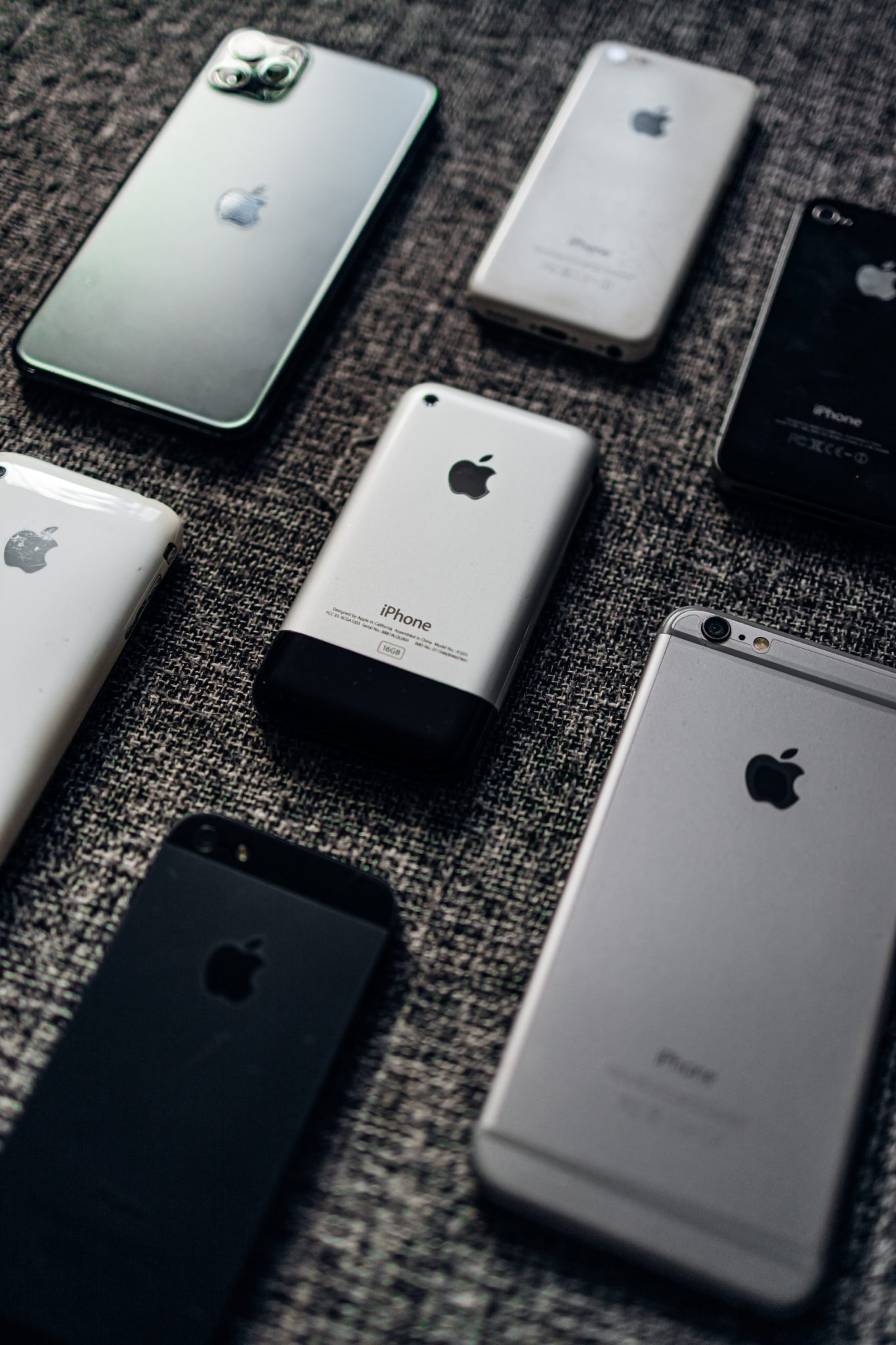
iPhones of different generations
As repairability improves through right-to-repair legislation, phones that are still in working condition are increasingly being replaced for reasons of preference rather than necessity, a trend that makes choosing a refurbished phone even more compelling.
How long does an Android phone last?
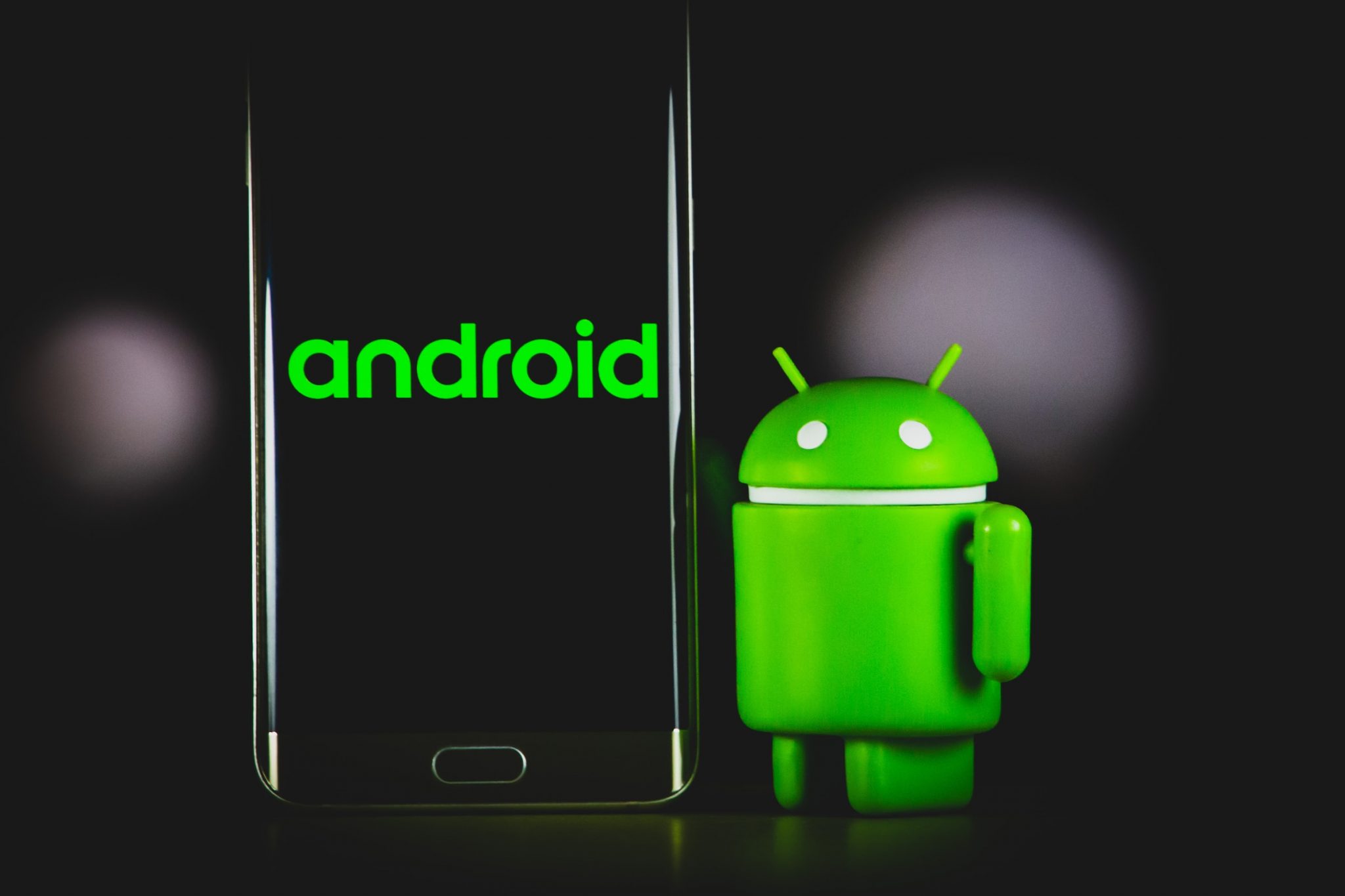
For Android phones, the answer has changed dramatically in recent years. The critical variable is software support: how long does the manufacturer send OS updates and security patches?
A phone without security updates is not just missing features: it is exposed to vulnerabilities that manufacturers no longer patch, which compromises reliability and privacy.
The good news: support timelines have lengthened significantly. As of 2025, flagship Android devices from the leading brands now offer far longer support than the two-year minimum that was standard just a few years ago:
- Samsung Galaxy (S24 series and later): 7 years of OS upgrades and 7 years of security updates
- Google Pixel (Pixel 8 and later): 7 years of OS and security updates
Mid-range and budget Android phones still lag behind. It remains common to find models that stop receiving support after one or two years. If longevity matters to you, flagship or near-flagship hardware from Samsung or Google offers the best software lifespan in the Android ecosystem.
Smartphone lifespan by brand
How long a phone lasts in practice varies by manufacturer. Here is a summary of what you can realistically expect from each major brand as of 2026:
| Brand | Typical Lifespan | OS Update Support | Security Update Support |
|---|---|---|---|
| Apple iPhone | 4-7 years | 5-7 years | 5-7 years |
| Samsung Galaxy (flagship) | 4-6 years | 7 years | 7 years |
| Google Pixel (Pixel 8+) | 4-7 years | 7 years | 7 years |
| Samsung Galaxy (mid-range) | 2-4 years | 4 years | 4 years |
| Other Android (budget) | 1-3 years | 1-2 years | 1-2 years |
The gap between flagship and budget hardware is substantial. A budget Android phone that loses security support after 18 months is effectively obsolete well before its physical hardware wears out.
4 factors that affect the lifespan of your smartphone
Several factors determine how long a phone lasts. Some sit with the manufacturer; others are entirely within your control.
1. Battery life
The average cell phone lasts 2-3 years in heavy use partly because battery capacity degrades with every charge cycle. Lithium-ion batteries in smartphones typically retain 80% of their original capacity after 500 full charge cycles under normal conditions. Apple has improved this with the iPhone 15 series, which retains 80% capacity after 1,000 cycles, double the threshold of earlier models.
Practical steps to slow degradation: avoid letting the battery drain to zero regularly, reduce screen brightness, turn off Bluetooth when not needed, and close background apps. These habits can recover 5 to 15% of daily battery life and meaningfully extend the number of years before the battery needs replacement.
You can check your battery health directly: on iPhone, go to Settings > Battery > Battery Health. On Android, many manufacturers include a battery health indicator in settings, or you can use a third-party diagnostic app.
2. Screen resolution
Higher-resolution displays produce sharper images but consume more power, which puts additional pressure on battery capacity over time. Dynamic resolution scaling (available on most modern Android flagships and iPhones) lets the display dial back resolution during low-demand tasks, extending battery life without a visible quality hit.
If you watch a lot of video, consider offloading longer sessions to a larger screen device. You can reduce unnecessary screen time on your phone by streaming TV shows or movies on a smart TV like Apple TV.
3. Software updates
Software updates do more than add features: they optimize how the operating system uses hardware resources. A clean, well-maintained OS can keep an older phone feeling responsive for years. Problems arise when updates introduce bugs or heavier resource demands that the phone's aging hardware struggles to handle.
If your phone starts running hot or slowing down after an update, check whether a patch is available. On Android, disabling automatic background updates can reduce thermal stress. If stability is your priority, waiting a week or two after a major OS release before updating gives time for critical patches to land.
4. Physical damage
Scratches and cracked screens are among the top reasons people replace phones before the hardware is actually worn out. A screen protector from day one costs a few dollars and can prevent damage that would otherwise mean a repair bill or premature replacement. Cases help too, especially for models with glass backs.
👉 Learn more: I Broke My Phone, What Can I Do? (10 Solutions to Consider)
10 signs your phone is dying or needs an upgrade
The following are clear indicators that a phone may have reached the end of its useful life:
- It holds a charge for only a few hours, even after a full overnight charge.
- The phone overheats during normal tasks or cannot cool down between sessions.
- The operating system lags, freezes, or crashes apps regularly.
- The manufacturer no longer sends security updates for your model.
- The phone lacks the processing power to run current versions of key apps.
- The screen is shattered or has dead zones that do not respond to touch.
- Core apps are no longer compatible with your OS version.
- The headphone jack or charging port is unreliable.
- The device reboots itself without warning.
- The camera is slow to focus or produces noticeably worse results than alternatives.
Buying refurbished smartphones reduces the replacement cycle
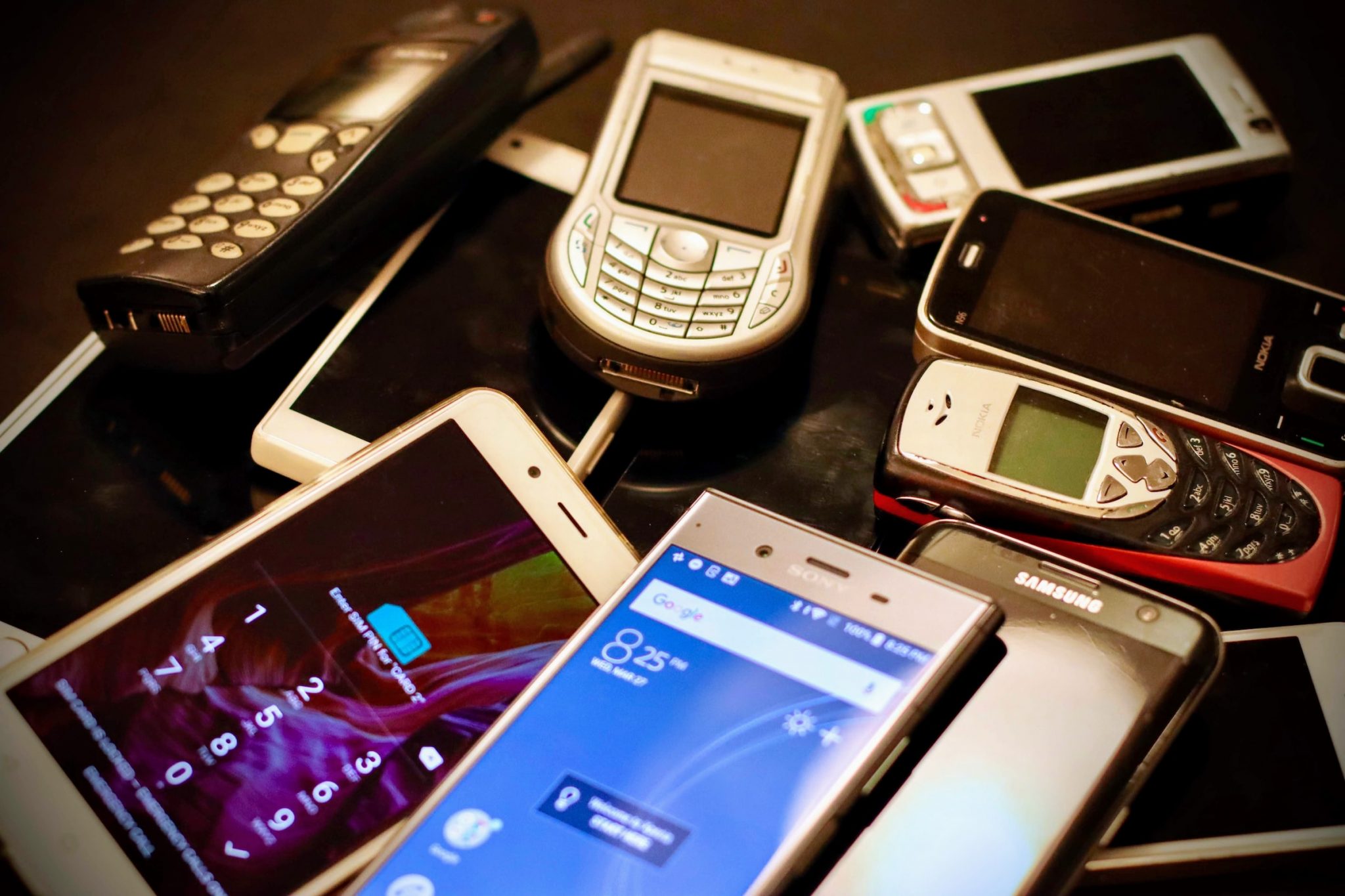
The replacement cycle is lengthening, but the environmental cost of frequent upgrades remains significant. Most users replace their phones roughly every two to three years, often while the device still functions. The question worth asking is whether there is a better option.
There is. Buying refurbished reduces pressure on raw material extraction and keeps devices circulating in the economy longer. According to Green Alliance, extending smartphone use by just one extra year cuts its lifetime CO2 emissions by a third.
A refurbished smartphone performs identically to a brand-new model. The only difference is that it is a pre-owned device that has been tested, repaired where needed, and certified to perform at full capacity. Many are returned by users within weeks of purchase for reasons unrelated to hardware condition.
When you do upgrade, a refurbished iPhone is the cheapest way to get years of remaining software support without paying new-phone prices. RefurbMe compares live deals across certified sellers like Back Market, Amazon Renewed, and the Apple Store, so you see the lowest price in one place. Refurbished iPhones currently start from under $100, with recent models a fraction of the cost of buying new.
You can explore the best places to buy refurbished iPhones in 2026, or compare refurbished iPhone deals on RefurbMe directly. Same specs as the official store, for a fraction of the price, warranty included:
Electronic waste grows whenever the replacement cycle shortens. Raw materials are costly to extract, and tens of thousands of devices are discarded every year. A longer replacement cycle, or a switch to refurbished, directly reduces that waste.
We encourage you to browse RefurbMe and compare deals across our bestselling Apple products. Set an availability alert to be the first to know when the device you want comes back in stock.
FAQ
Last updated: Jun 19, 2026 · First published: Feb 17, 2025